
Piduranga
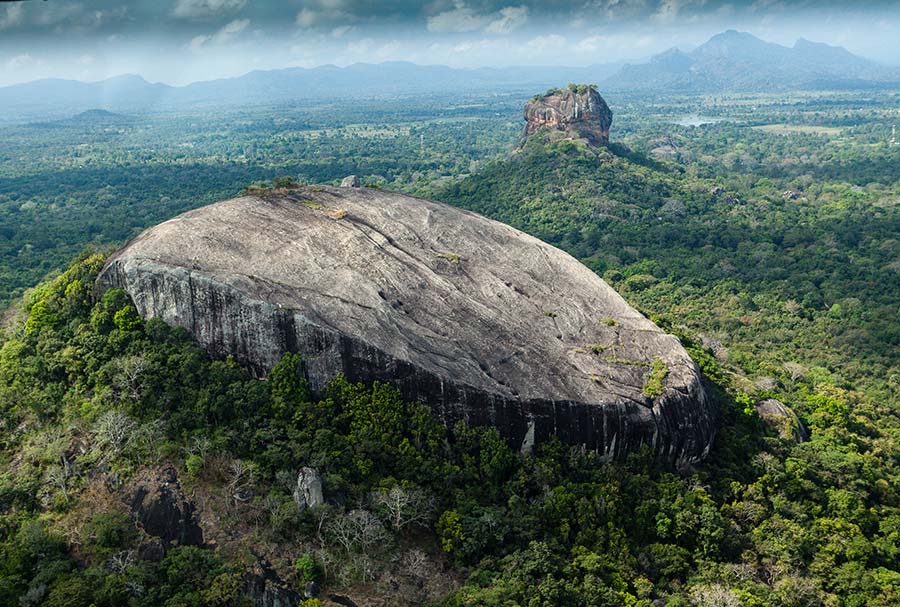
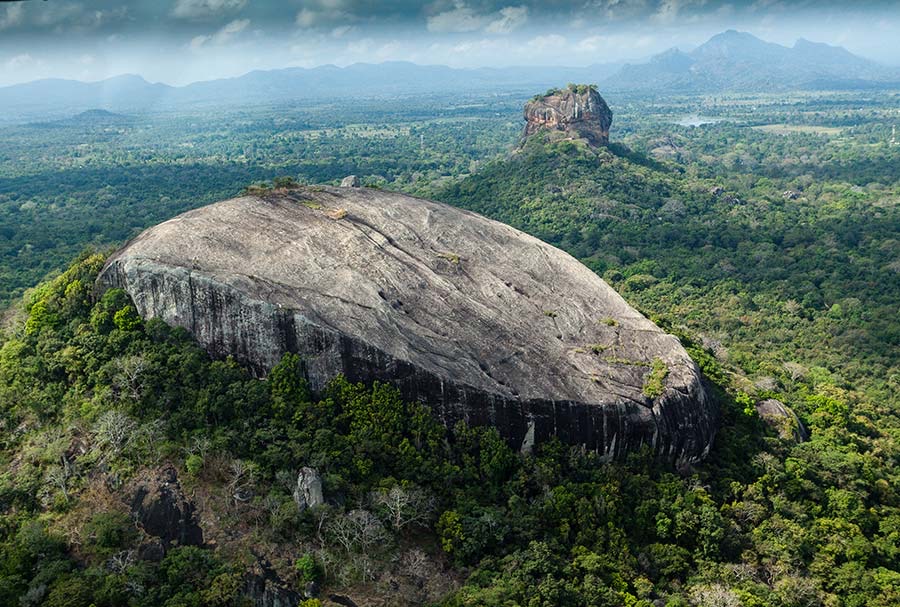
Pidurangala is a hill steeped in history and natural beauty
Pidurangala Rock: History and Significance
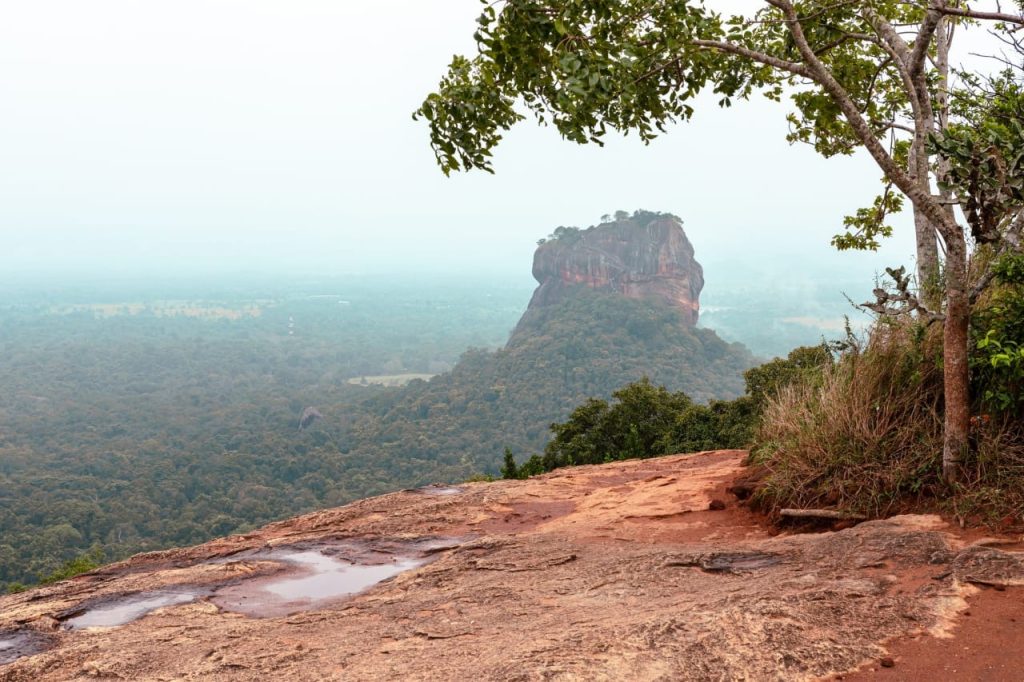
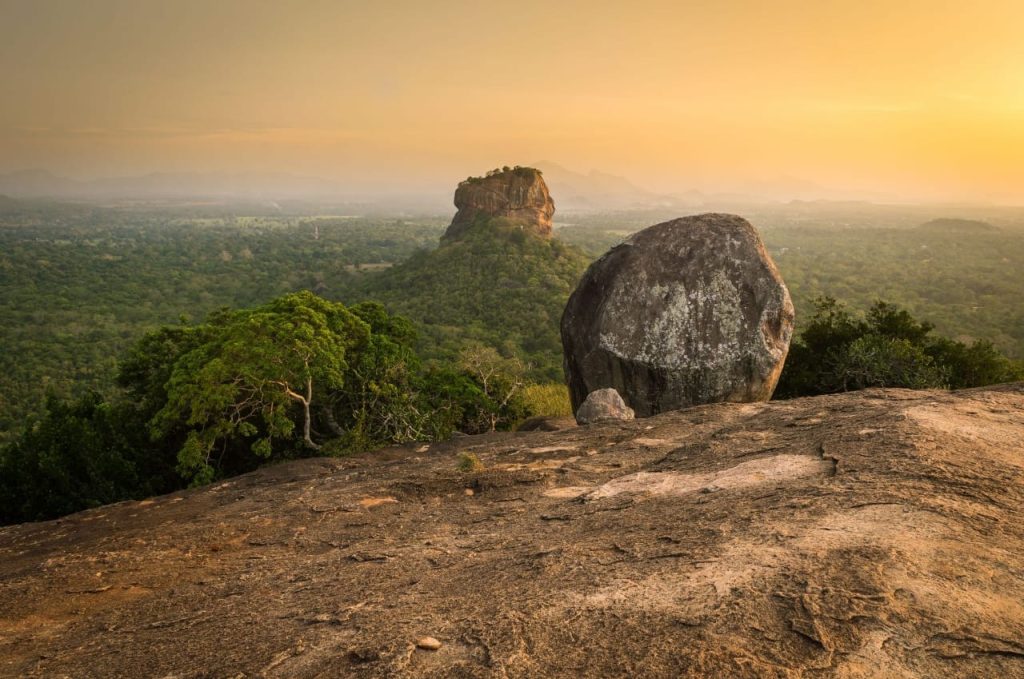
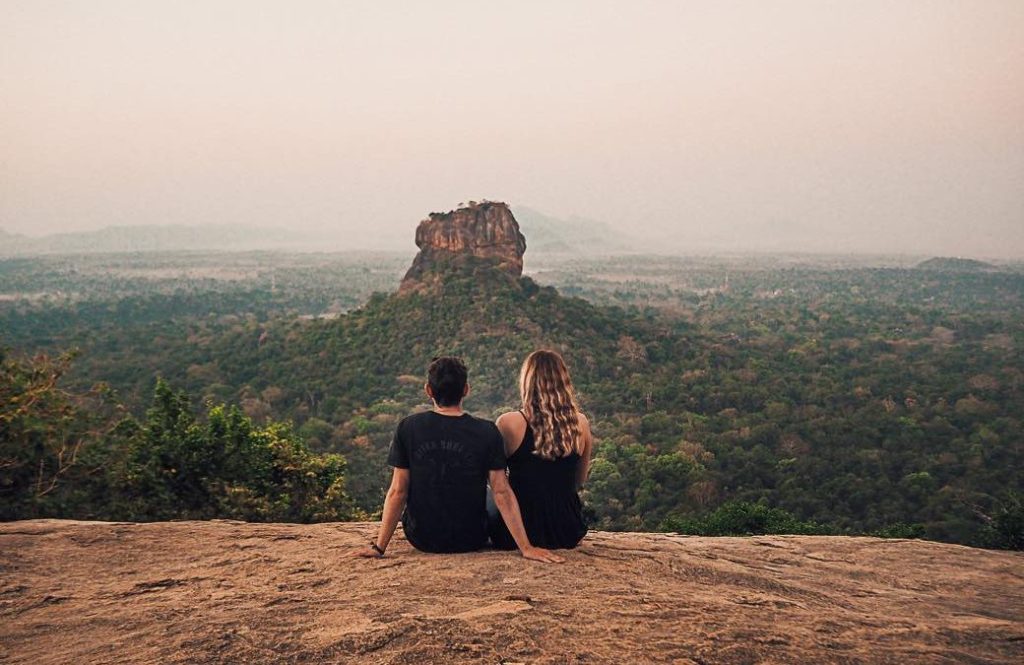
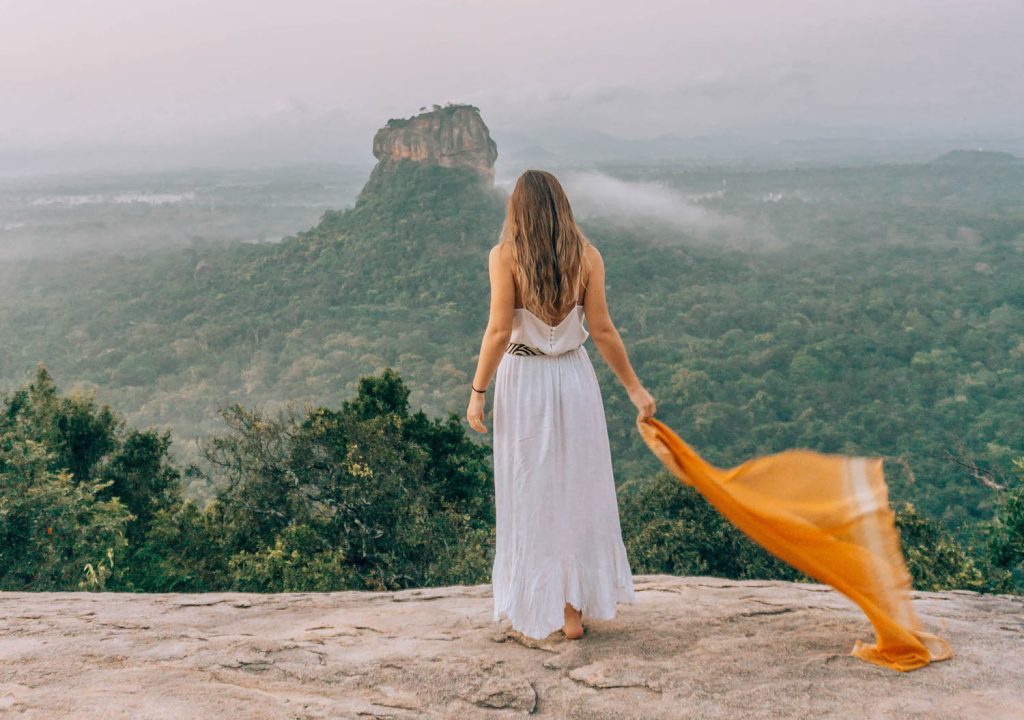
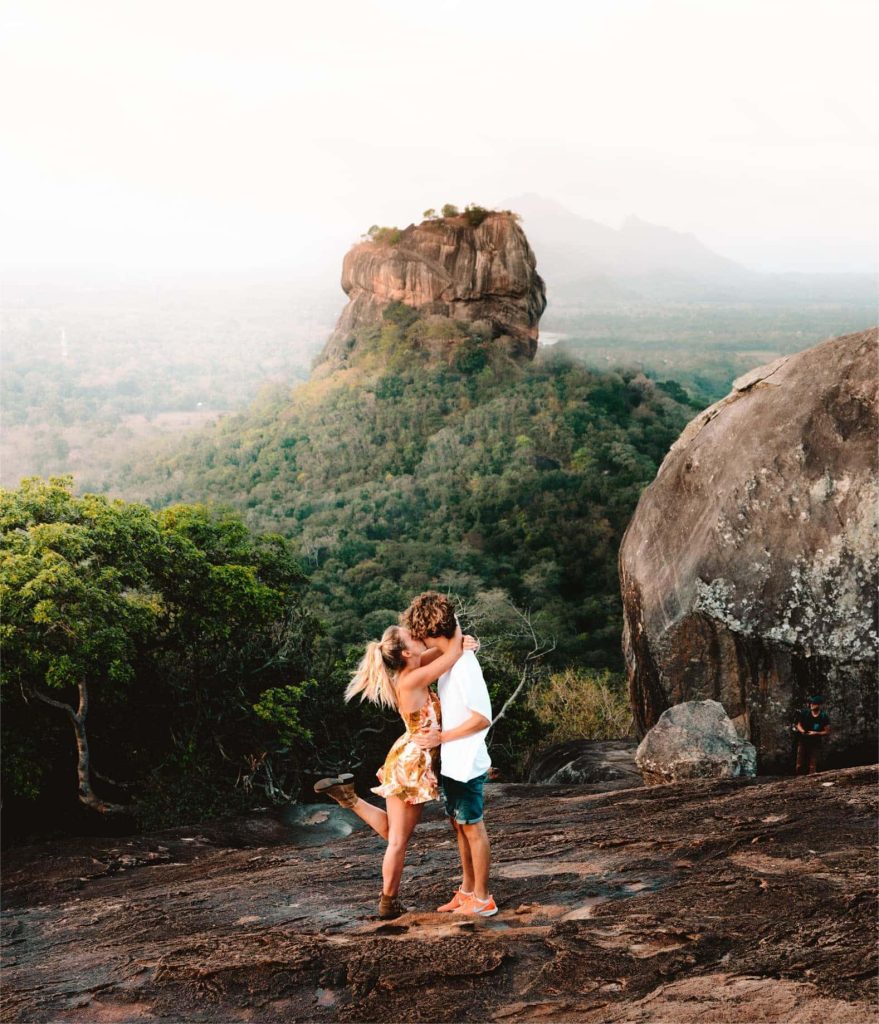
Located a short distance north of the famous Sigiriya Lion Rock in Sri Lanka’s Cultural Triangle, Pidurangala is a volcanic hill steeped in history and natural beauty. While many visitors flock to the more famous Sigiriya, Pidurangala offers a quieter, more adventurous experience and, importantly, provides the most spectacular panoramic view of the Sigiriya fortress itself.
Ancient Origins
The history of Pidurangala dates back over 2,500 years. It was an active Buddhist monastic site long before the events that made it famous. Ancient Brahmi inscriptions found in the rock shelters confirm the presence of meditating monks from as early as the first and second centuries BC.
The Time of King Kashyapa
Pidurangala
Pidurangala’s prominence increased significantly during the reign of King Kashyapa I (477–495 AD). According to ancient chronicles, King Kashyapa built his secure palace and fortress on the adjacent Sigiriya Rock after usurping the throne from his brother. To do so, he requested the monks living around Sigiriya to relocate to the nearby Pidurangala.
In an act of compensation, King Kashyapa refurbished and expanded the Pidurangala monastery, turning it into a prominent royal temple complex known as “Uppalavanna Kashyapa Girri Viharaya”. The name “Pidurangala” is derived from the Sinhala words “pidu” (offered) and “ran-gala” (golden rock), literally meaning “offered piles of gold,” in reference to the donation by the King.
Architectural and Archaeological Features
Today, visitors can explore several important ruins on the climb up Pidurangala:
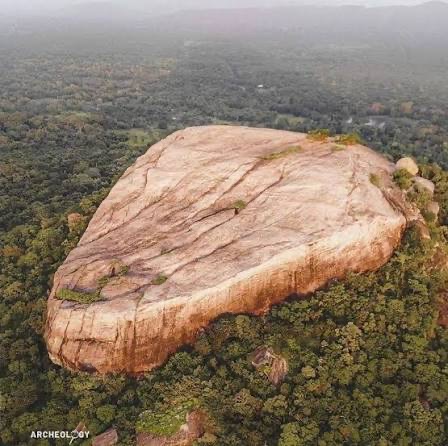
The Cave Temple: Located partway up the rock, this active place of worship contains several ancient structures including an image house, a chapter house, and a stupa.
The Reclining Buddha: Within a large, shallow cave, lies a nearly 50-foot (14.5 meters) long reclining Buddha statue made of brick, clay, and limestone. Once one of the largest brick Buddha statues in the world, its upper parts were destroyed by treasure hunters in the 20th century and have since been restored by the Department of Archaeology.
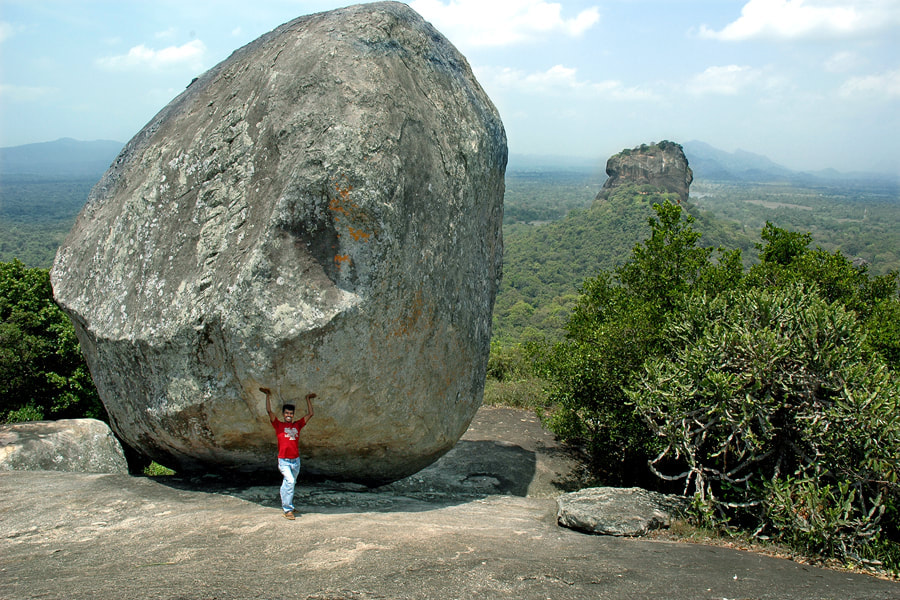
The Summit: The flat summit, reached after a short, final scramble over boulders, offers breathtaking 360-degree views of the surrounding jungle and an iconic view of the majestic Sigiriya Rock Fortress.
Pidurangala is a testament to the region’s rich cultural and spiritual heritage, offering a serene and historically significant experience away from the main tourist crowds.
Visit Sri Lanka