Sigiriya
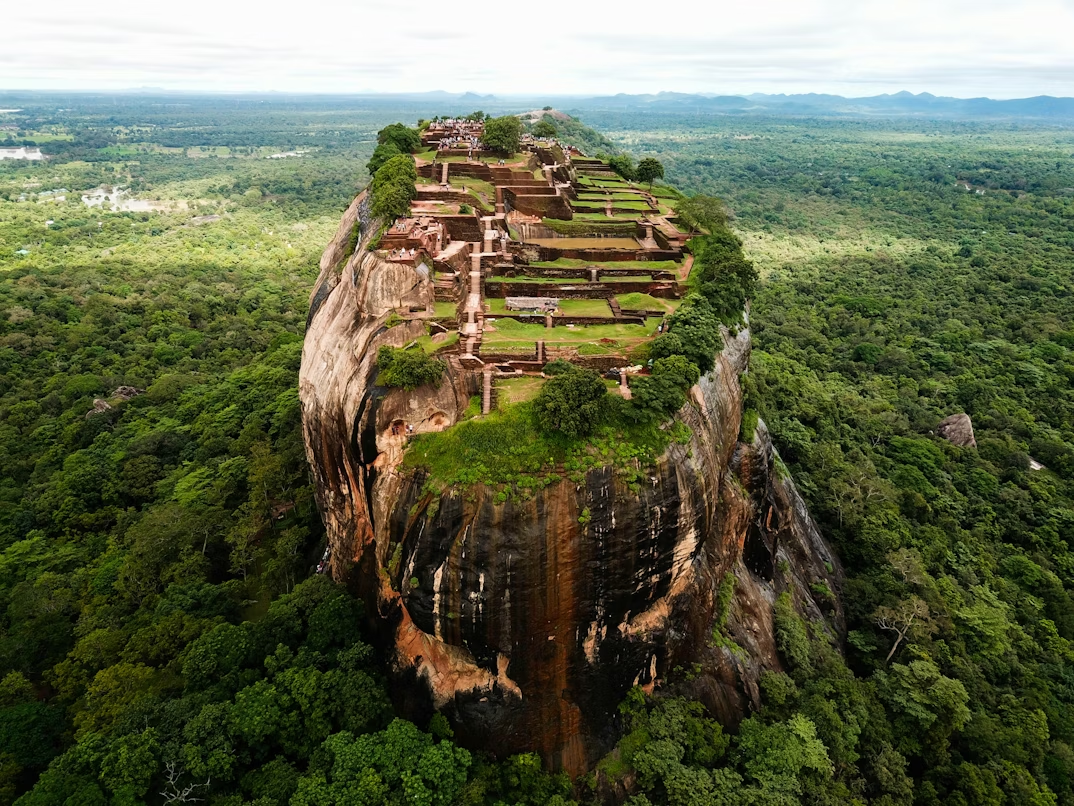
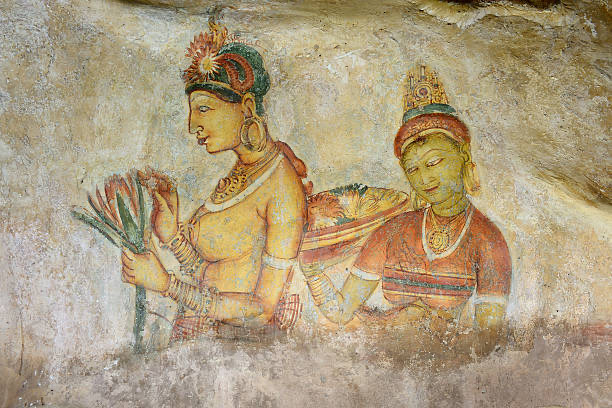
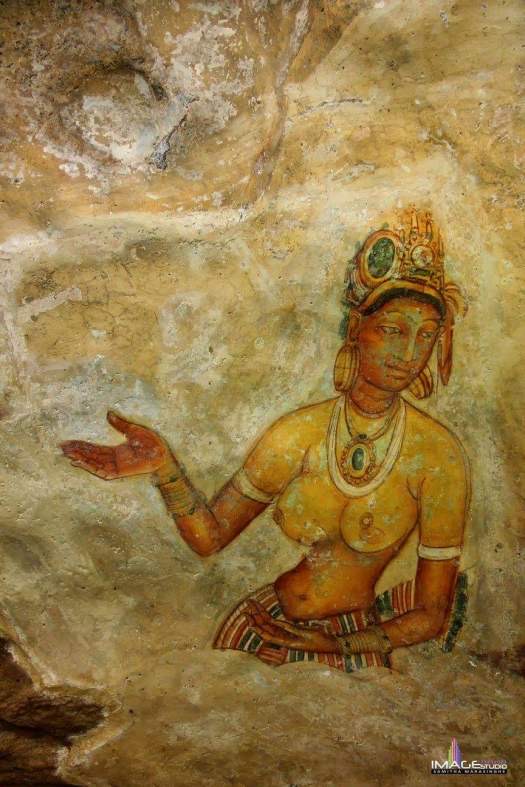
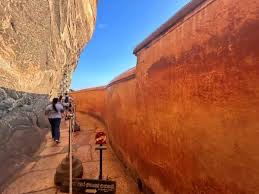
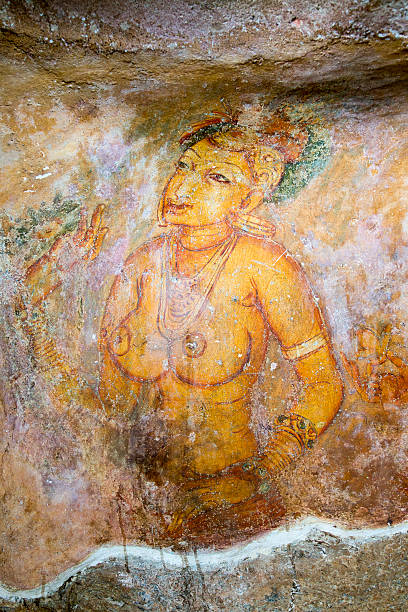
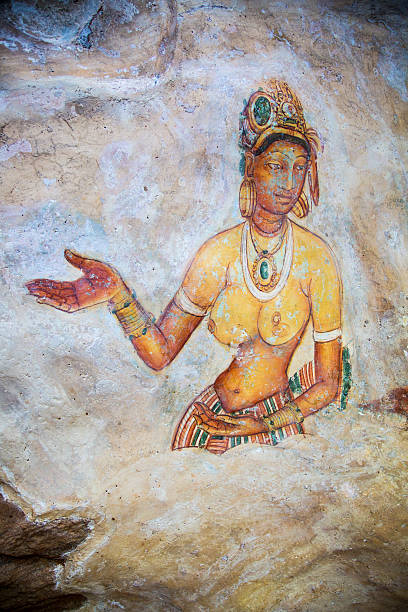
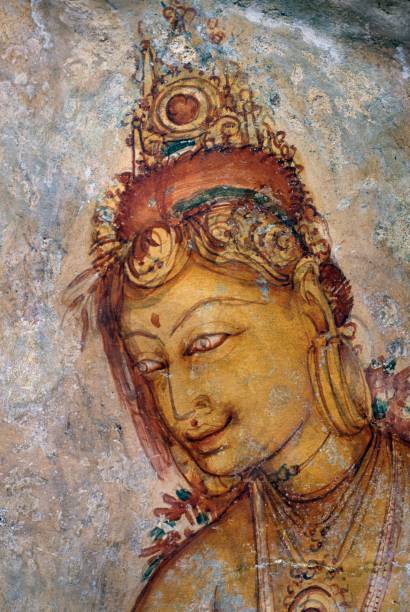
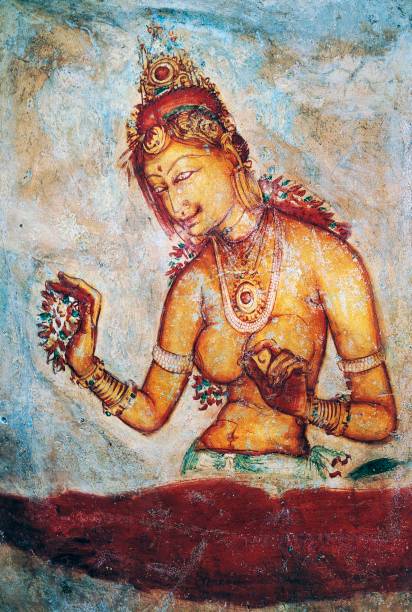
At the base of the rock lie beautifully designed water gardens, terraced landscapes, and symmetrical pools, showcasing some of the earliest examples of advanced urban planning in South Asia. As visitors climb upward, they encounter the famous Sigiriya frescoes, delicate paintings of celestial maidens, as well as the Mirror Wall, polished so smoothly in ancient times that the king could see his reflection.
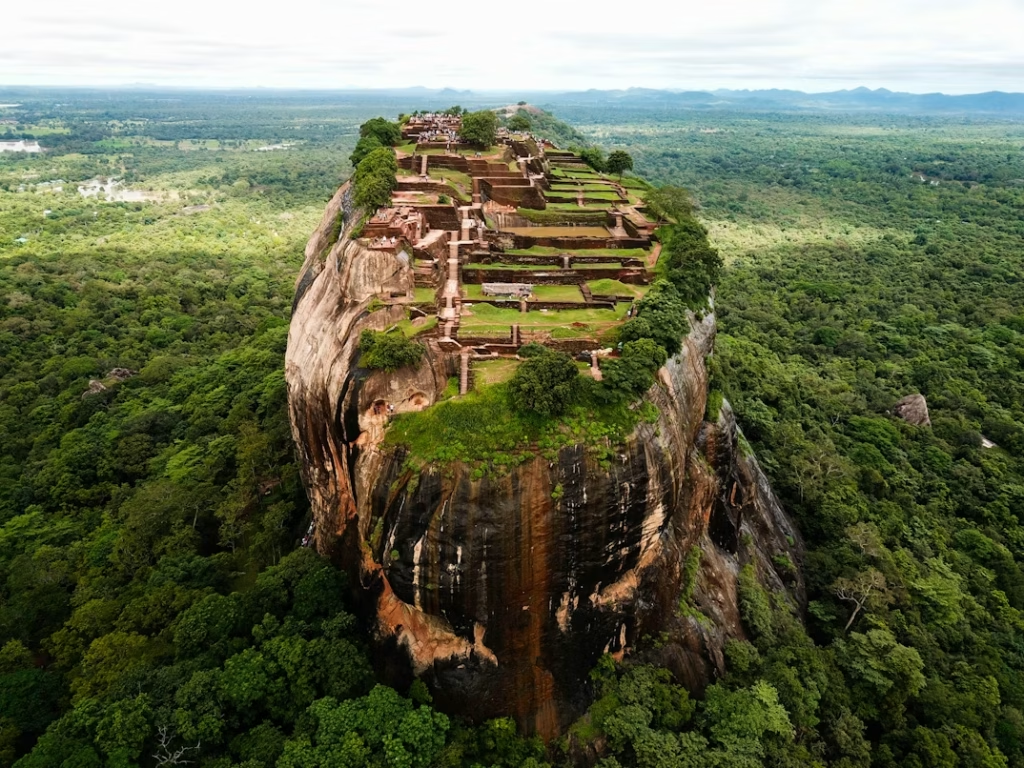
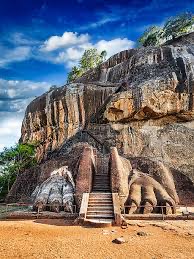
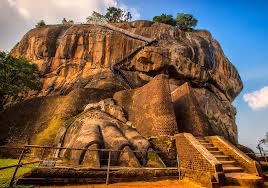
Near the summit, the entrance passes through the enormous carved lion’s paws, the last remaining feature of the structure that gave Sigiriya its name. At the top, breathtaking panoramic views stretch across forests, lakes, and distant mountains, revealing the ruins of the king’s palace and throne.
Today, Sigiriya stands as a UNESCO World Heritage Site and a powerful symbol of Sri Lanka’s rich history, blending art, engineering, and nature into one unforgettable landmark.
Sigiriya: Sri Lanka’s Majestic “Lion Rock” Fortress
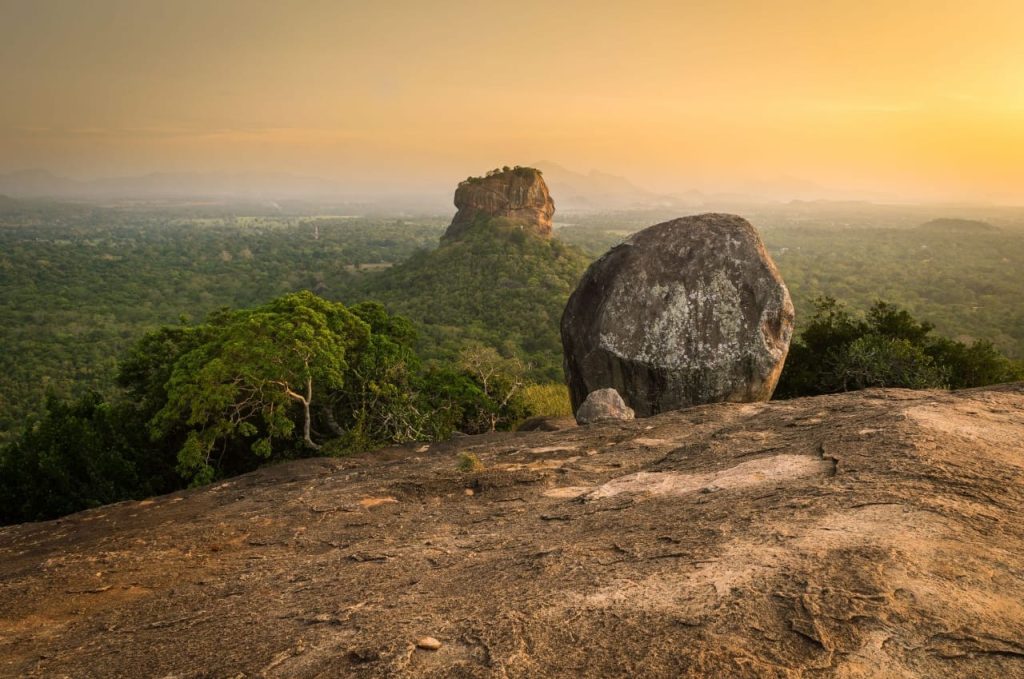
Sigiriya: Sri Lanka’s Majestic “Lion Rock” Fortress
Sigiriya: Sri Lanka’s Majestic “Lion Rock” Fortress
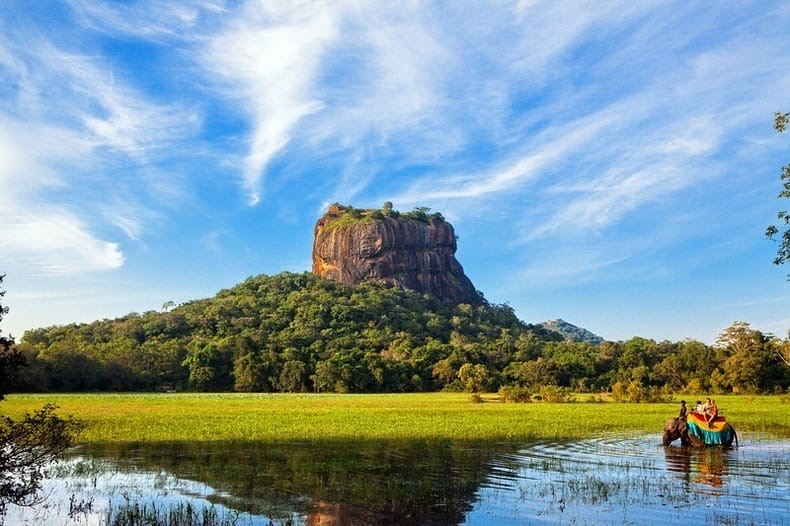
Sigiriya, also known as the “Lion Rock” (derived from the Sinhalese words Sinha for Lion and Giriya for Rock), is an ancient rock fortress and palace complex located in the central Matale District of Sri Lanka. Often referred to by locals as the “Eighth Wonder of the World,” this magnificent site is a UNESCO World Heritage Site and one of the island nation’s most visited tourist destinations.
A Glimpse into History: The Reign of King Kashyapa
The history of Sigiriya is rooted in a dramatic tale of ambition and betrayal. It was primarily built during the reign of King Kashyapa I (477–495 AD). According to the ancient Sri Lankan chronicle Culavamsa, Kashyapa seized the throne from his father and, fearing retribution from his exiled half-brother Moggallana, sought a secure, defensible capital. He transformed the enormous granite monolith, which rises 200 meters (650 feet) above the surrounding jungle, into an impregnable fortress and a lavish royal residence that symbolized his power and divine right to rule.
Architectural Marvels
The complex is considered one of South Asia’s best-preserved examples of ancient urban planning and showcases an incredible harmony between human imagination and nature. Key features of the site include:
The Gardens: The extensive network of fortifications is surrounded by some of the oldest landscaped gardens in the world, including sophisticated water gardens with functional fountains, ponds, and underground channels that still work today.
The Lion Gate: About halfway up the rock, visitors pass through a platform where the monumental paws of a gigantic brick-and-plaster lion still remain. The staircase originally emerged from the lion’s mouth, reinforcing the site’s name and symbolism of royal authority.
The Frescoes: A sheltered gallery along the western wall features highly celebrated, vibrant frescoes depicting bare-chested female figures, often interpreted as celestial nymphs or the king’s consorts.
The Mirror Wall: This wall was once polished so highly that the king could see his reflection. Over centuries, ancient visitors inscribed nearly 1,500 pieces of prose and poetry onto its surface, creating what is regarded as some of the oldest Sinhalese graffiti.
Legacy
After King Kashyapa’s defeat and death in battle in 495 AD, Sigiriya was abandoned as a capital but continued to serve as a Buddhist monastery for several centuries. Today, the ruins stand as a testament to the advanced engineering and artistic mastery of ancient Sri Lanka, offering breathtaking views and a profound glimpse into a dramatic period of the island’s history.